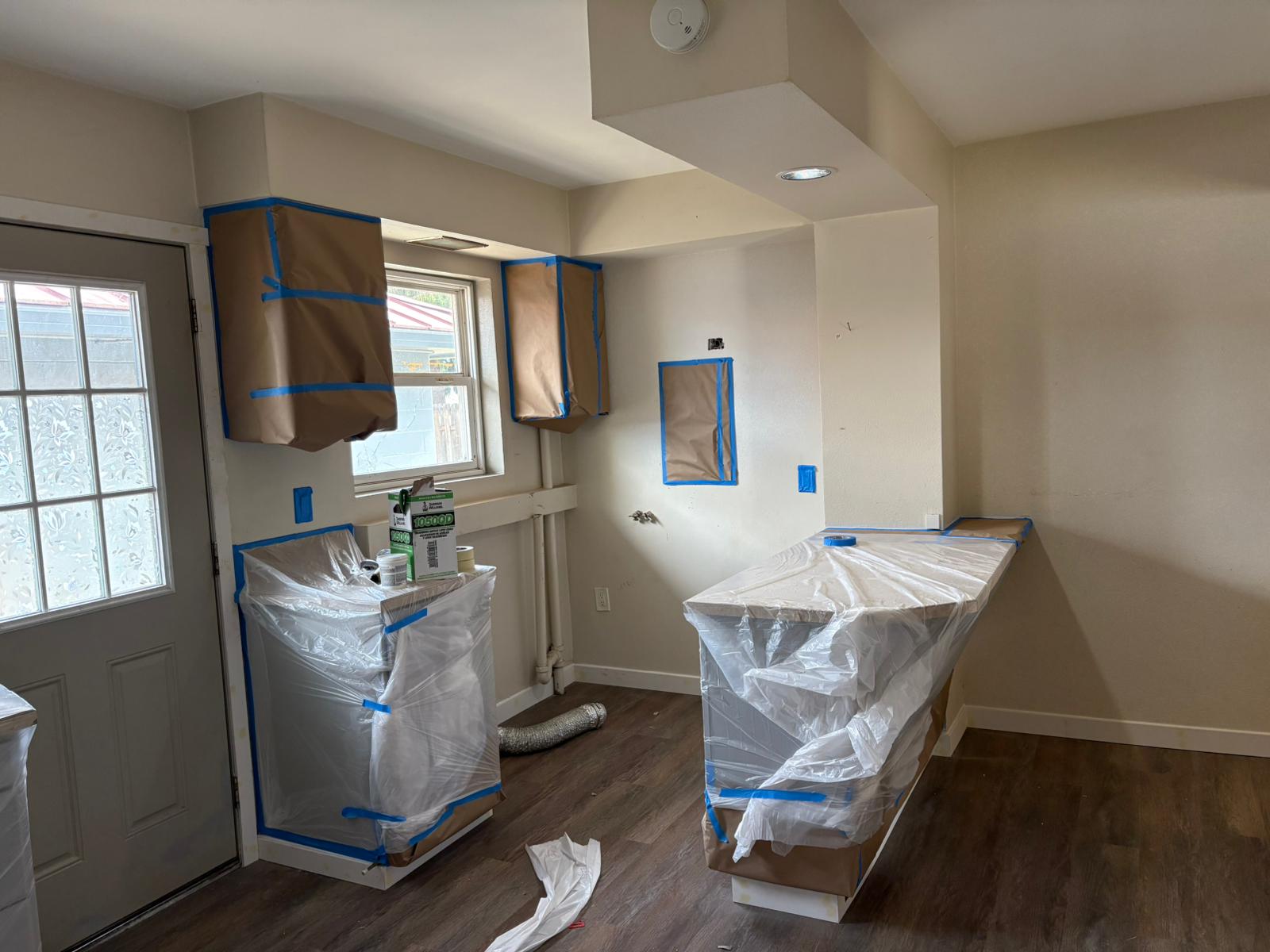
Choosing the Right Paint for Your Interior Walls
Selecting the right paint for your interior walls can significantly impact the overall aesthetics and feel of your home. With a plethora of options available, understanding the different types of paint and their finishes can help you make an informed choice.
Understanding Paint Types
Before diving into color selection, it's essential to understand the two main types of paint: latex and oil-based.
- Latex Paint: Water-based, quick-drying, and easy to clean up. Ideal for most interior walls.
- Oil-Based Paint: Durable and provides a smooth finish but takes longer to dry and has a stronger odor.
Exploring Paint Finishes
Paint finishes can affect the appearance and durability of your walls. Here’s a breakdown of common finishes:
- Flat: Non-reflective, ideal for low-traffic areas, hides imperfections well.
- Eggshell: Slightly more sheen than flat, easy to clean, suitable for living rooms and bedrooms.
- Satin: Durable and moisture-resistant, great for kitchens and bathrooms.
- Semi-Gloss: Reflective finish, perfect for trim and moldings.
- High-Gloss: Very reflective, excellent for high-traffic areas but shows imperfections.
Choosing the Right Color
Color selection is a critical step in the painting process. Here are some tips to help you choose the right color for your interior walls:
- Consider the Room's Purpose: Soft colors create a calming effect in bedrooms, while vibrant hues energize living spaces.
- Test Samples: Always test paint samples on your walls to see how they look in different lighting.
- Think About the Flow: Ensure colors complement each other throughout your home for a cohesive look.
- Use Color Theory: Understand the color wheel to create harmonious color combinations.
Popular Color Trends
Staying updated on color trends can help you choose a modern palette for your home. Some current popular trends include:
- Earth Tones: Warm, natural hues like terracotta and olive green.
- Pastels: Soft colors that add charm without overwhelming a space.
- Bold Accent Walls: Using a bright color on one wall to create a focal point.
- Neutrals with a Twist: Soft greys and beiges with undertones of color for added depth.
The Importance of Quality Paint
Investing in quality paint can save you time and money in the long run. Here’s why quality matters:
- Better Coverage: Higher quality paints require fewer coats.
- Durability: Quality paints resist fading, chipping, and peeling.
- Easier Application: They often go on more smoothly and evenly.
Eco-Friendly Paint Options
If you’re concerned about the environment or indoor air quality, consider eco-friendly paint options. These paints are low in volatile organic compounds (VOCs) and are safer for your home.
- Low-VOC Paints: Reduce harmful emissions while maintaining quality.
- Natural Paints: Made from natural ingredients like plant oils and resins.
Final Steps Before Painting
Once you’ve selected your paint, follow these final steps to ensure a successful painting project:
- Prepare the Walls: Clean, patch, and sand surfaces to ensure a smooth finish.
- Gather Supplies: Ensure you have brushes, rollers, painter's tape, and drop cloths.
- Consider Lighting: Change or enhance lighting in the room to improve the final appearance.
Conclusion
Choosing the right paint for your interior walls involves understanding paint types, finishes, colors, and quality. By following these guidelines, you can create a beautiful and inviting atmosphere in your home. Whether you’re refreshing a single room or repainting your entire house, making informed decisions will lead to a satisfying and successful project.