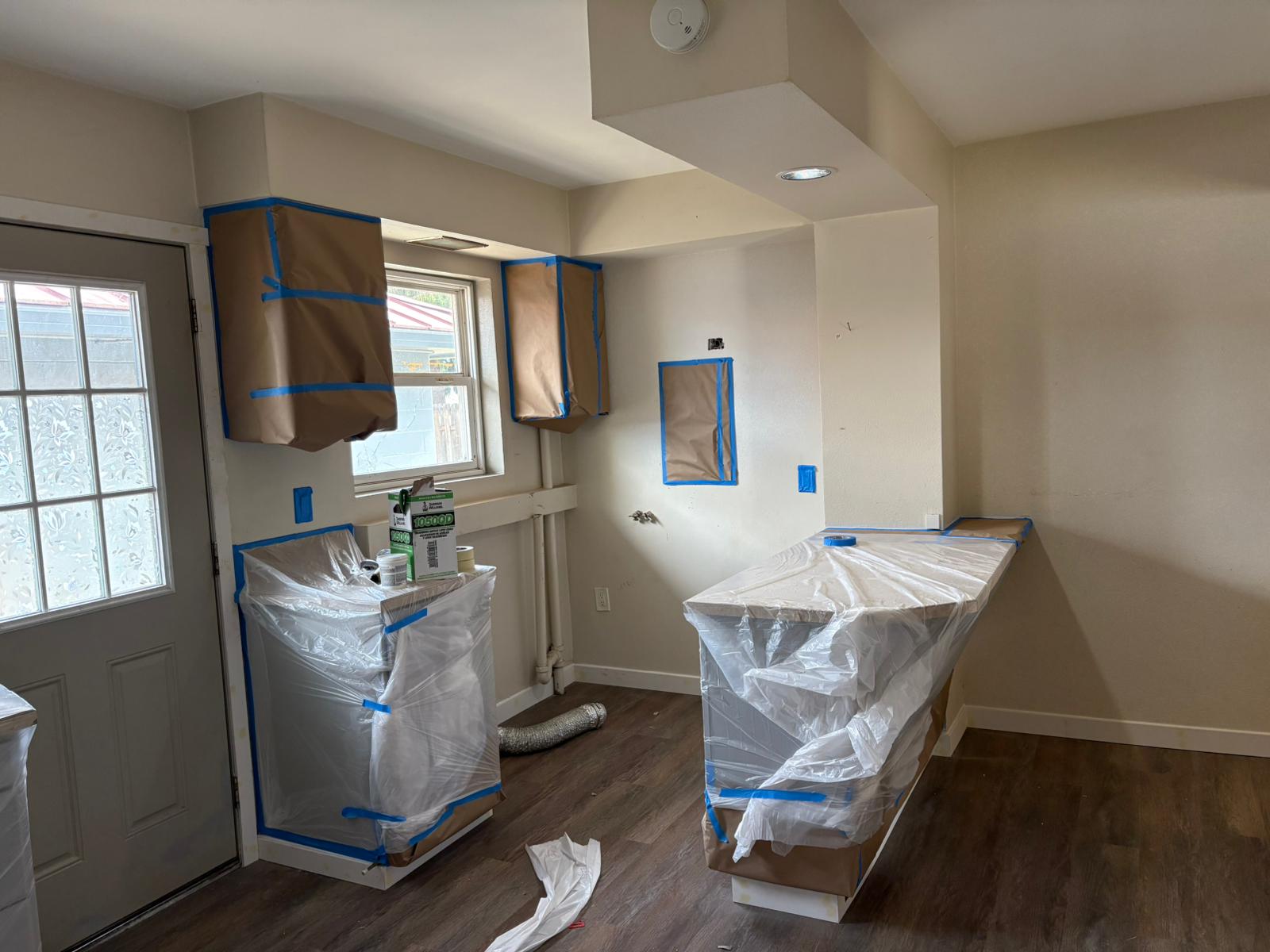
Understanding the Different Types of Drywall
Drywall, also known as gypsum board or plasterboard, is a crucial material in the construction industry, especially for interior walls and ceilings. It offers a smooth surface for painting and finishing, and it's relatively easy to install. However, not all drywall is created equal. In this blog post, we will explore the different types of drywall available, their specific applications, and advantages.
What is Drywall?
Drywall consists of a core made of gypsum, sandwiched between two sheets of heavy paper. This construction provides several benefits, including fire resistance, soundproofing, and ease of installation. Understanding the types of drywall can help homeowners and contractors choose the right material for their projects.
Types of Drywall
1. Standard Drywall
Standard drywall is the most commonly used type for interior walls and ceilings. It typically measures 1/2 inch thick and is available in various sizes.
- Used in most residential applications
- Easy to cut and install
- Cost-effective option for general construction
2. Moisture-Resistant Drywall
Moisture-resistant drywall, often referred to as green board, is designed for areas prone to moisture, such as bathrooms and kitchens.
- Helps prevent mold and mildew growth
- Suitable for high humidity areas
- Usually has a water-repellent core
3. Fire-Resistant Drywall
Fire-resistant drywall, or Type X drywall, contains special additives to improve its fire-resistance properties. It is commonly used in garages and separating walls between units in multifamily buildings.
- Can withstand heat for a longer period
- Required by building codes in certain applications
- Enhances safety in fire-prone areas
4. Soundproof Drywall
Soundproof drywall is specifically engineered to reduce sound transmission between rooms. It is ideal for home theaters, music studios, and multi-family housing.
- Incorporates additional mass to block sound
- Provides better sound isolation than standard drywall
- May require special installation techniques
5. Specialty Drywall
Specialty drywall includes a variety of types designed for specific applications, such as impact-resistant drywall for high-traffic areas.
- Impact-resistant drywall is thicker and more durable
- Acoustic drywall enhances sound control
- Lead-lined drywall is used in medical facilities
Choosing the Right Drywall for Your Project
When selecting the appropriate drywall, consider the following factors:
- Location of installation (e.g., bathroom, kitchen, living room)
- Local building codes and regulations
- Desired functionality (e.g., fire resistance, soundproofing)
Conclusion
Understanding the different types of drywall is essential for any construction or home improvement project. By selecting the right drywall, you can ensure durability, safety, and aesthetic appeal. Whether you are a homeowner embarking on a DIY project or a contractor, knowing the specifications and applications of various drywall types will help you make informed decisions. For any further assistance or professional drywall installation, consider reaching out to Wolverine Drywall LLC.